
Winter Burnout Isn’t Failure: How Neurodivergent Nervous Systems Respond to Stress, and How to Support Recovery
Written By: Dr. Lauren Pammer, DrOT, MOT, OTR/L
Winter can feel heavy for many people. The shorter days, colder weather, disrupted routines, and post-holiday emotional crash often bring fatigue, low motivation, and overwhelm.
But for neurodivergent teens and adults… especially those with ADHD, autism, sensory processing differences, trauma histories, and executive functioning challenges. Winter can hit much harder.
What often gets labeled as “laziness,” “lack of motivation,” or “falling behind” is frequently something very different:
nervous system overload and burnout.
At Bee You Therapy, we see this pattern every year. Clients come in feeling exhausted, emotionally drained, struggling with everyday tasks that once felt manageable, and questioning why they can’t “just push through” like others seem to.
The truth is: Your nervous system may be doing exactly what it’s designed to do… protecting you.
And winter burnout isn’t a personal failure. It’s a biological response to prolonged stress.
Why Winter Feels So Much Harder for Neurodivergent Nervous Systems
Neurodivergent brains process stress, sensory input, emotions, and demands differently.
Many individuals already operate with:
• higher baseline anxiety
• increased sensory sensitivity
• greater cognitive load to complete everyday tasks
• difficulty with transitions and routine changes
• emotional regulation challenges
Winter adds several layers of stress at once:
Less daylight = disrupted circadian rhythms
This affects mood, focus, sleep quality, and energy levels.
More indoor environments = sensory overload
Artificial lighting, noise, crowded spaces, and limited movement can overwhelm the nervous system.
Post-holiday emotional crash
After weeks of social demands, schedule changes, financial stress, and expectations, the body often drops into exhaustion.
Increased executive functioning demands
Getting dressed in heavy clothes, driving in poor weather, altered routines, and less outdoor movement all require more mental effort.
For neurodivergent individuals, this added load can quietly push the nervous system into burnout.
What Neurodivergent Burnout Actually Looks Like
Burnout doesn’t always look like lying in bed all day.
Often it shows up as:
• extreme mental fatigue
• emotional numbness or irritability
• increased sensory sensitivity
• loss of interest in things once enjoyed
• difficulty starting tasks
• feeling overwhelmed by simple responsibilities
• brain fog
• increased anxiety or shutdowns
• needing far more rest than usual
For teens, it may look like:
• school avoidance
• meltdowns or withdrawal
• sudden drop in motivation
• difficulty focusing
• more emotional outbursts
For adults, it may look like:
• falling behind at work
• messy homes
• missed appointments
• feeling “broken” or ashamed
• inability to keep up with life demands
This isn’t laziness. It’s a nervous system that has reached capacity.
Why “Push Through It” Makes Burnout Worse
Traditional self-improvement culture teaches:
“Try harder.”
“Be more disciplined.”
“Push past discomfort.”
“Just build better habits.”
For neurodivergent nervous systems, this often backfires.
When you push a nervous system that is already overloaded, the body interprets that as more threat.
This can increase:
• anxiety
• shutdown responses
• emotional dysregulation
• sensory overwhelm
• exhaustion
Instead of creating motivation, it deepens burnout.
Healing and regulation come from support, not pressure.
Understanding the Nervous System: A Simple Explanation
Your nervous system constantly scans for safety or threat.
When it feels safe → you can focus, learn, connect, and complete tasks. When it feels overwhelmed → it shifts into survival mode.
Survival mode can look like:
• fight (anger, irritability)
• flight (avoidance, anxiety)
• freeze (shutdown, numbness, exhaustion)
Burnout is often a prolonged freeze or shutdown response.
Your body is saying: “I need rest. I need safety. I need less demand.”
Listening to that message is not weakness. It’s wisdom.
What Recovery Actually Looks Like for Neurodivergent Burnout
Recovery isn’t about doing nothing forever… but it also isn’t about forcing productivity.
It’s about gently helping the nervous system feel safe again.
Here’s what truly helps.
1. Lower the Demand Before Increasing Motivation
When burnout hits, reduce expectations temporarily.
This might look like:
• fewer tasks per day
• simplified routines
• prioritizing essentials only
• letting go of perfection
Motivation naturally returns once the nervous system feels regulated.
2. Build Regulation Into Daily Life (Not Just During Meltdowns)
Helpful nervous system supports include:
• gentle movement (walking, stretching, rocking)
• deep pressure (weighted blankets, hugs, compression clothing)
• slow breathing exercises
• warm showers or baths
• calming music or nature sounds
• sensory breaks
These aren’t luxuries… they’re regulation tools.
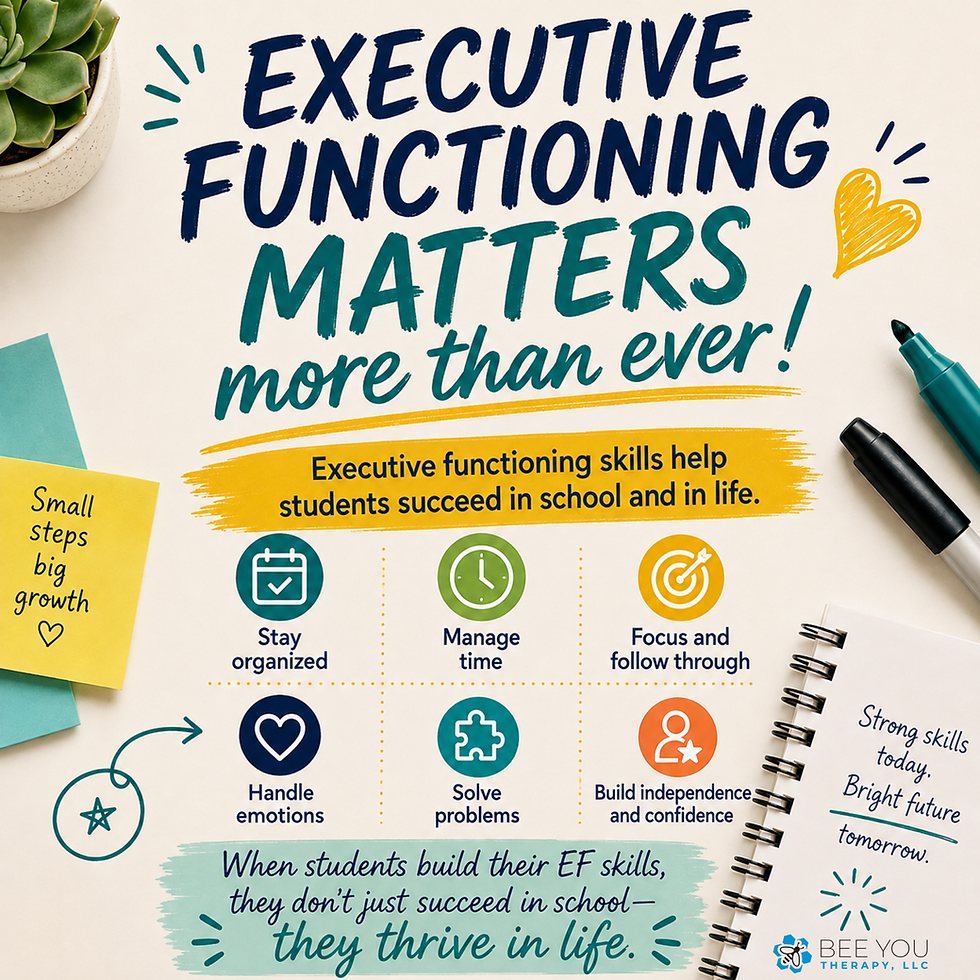
3. Support Executive Functioning Instead of Fighting It
Burnout often worsens when tasks feel overwhelming.
Try:
• breaking tasks into very small steps
• visual schedules
• timers for short work bursts
• body doubling (doing tasks with someone else nearby)
• written checklists
Support reduces nervous system stress.
4. Normalize Rest Without Guilt
Rest is not something you earn after productivity.
For neurodivergent nervous systems, rest is a regulation requirement.
This may include:
• extra sleep
• quiet time
• low-stimulation activities
• time alone
Guilt keeps the body in stress mode.
Compassion allows recovery.
5. Rebuild Safety Through Connection
Safe relationships help regulate the nervous system.
This can look like:
• supportive conversations
• therapy
• feeling understood
• reduced pressure
• encouragement instead of criticism
Connection is powerful medicine for burnout.
How Occupational and Speech Therapy Support Burnout Recovery
At Bee You Therapy, we approach burnout through a trauma-informed, neurodivergent-affirming lens.
We don’t try to “fix” clients.
We support nervous system regulation, daily functioning, and emotional well-being.
Therapy may focus on:
• executive functioning support
• emotional regulation strategies
• sensory processing tools
• routines that actually fit the individual
• communication skills
• stress management
• building independence without overwhelm
Recovery isn’t about becoming someone else.
It’s about creating a life that works with your nervous system… not against it.
For Parents: Supporting a Burned-Out Neurodivergent Child or Teen
If your child seems exhausted, unmotivated, or emotionally reactive this winter:
Try shifting from “Why won’t you do this?” to “What feels hard right now?”
Helpful steps:
• reduce demands temporarily
• offer choices instead of commands
• prioritize regulation before tasks
• validate their feelings
• create predictable routines
• celebrate small wins
Burnout recovery is about safety first.
For Neurodivergent Adults: You Are Not Failing
If winter has left you feeling behind, exhausted, or ashamed… you’re not broken.
Your nervous system is responding to prolonged stress.
You don’t need more discipline.
You need more support, regulation, and compassion.
Burnout is not weakness. It’s a signal.
And signals can be listened to.
Winter Burnout Is a Season… Not Your Identity
Burnout can feel endless when you’re in it.
But with the right supports, regulation strategies, and reduced pressure, recovery happens.
Energy returns. Motivation slowly comes back. Clarity improves.
And most importantly, self-trust rebuilds.
Final Thoughts
Winter can be especially challenging for neurodivergent nervous systems.
But exhaustion, shutdown, and overwhelm are not personal failures.
They are biological responses to stress.
Healing doesn’t come from pushing harder.
It comes from:
• safety
• support
• regulation
• understanding
• compassion
At Bee You Therapy, we believe every individual deserves tools that honor their nervous system and their lived experience.
If burnout has been heavy this season, know this:
You are not lazy.
You are not failing.
You are responding to stress, and recovery is possible.
Looking for support?
Bee You Therapy provides trauma-informed occupational and speech therapy for neurodivergent teens and adults focused on:
• emotional regulation
• executive functioning
• life skills
• burnout recovery
• nervous system support
We’re here to walk alongside you, not push you past your limits.


Comments